
Heatstroke in dogs: staying safe in an Andalusian summer
How to spot heatstroke in your dog, what to do on the way to the vet, and how to prevent it during the long, hot summers of the Costa del Sol.
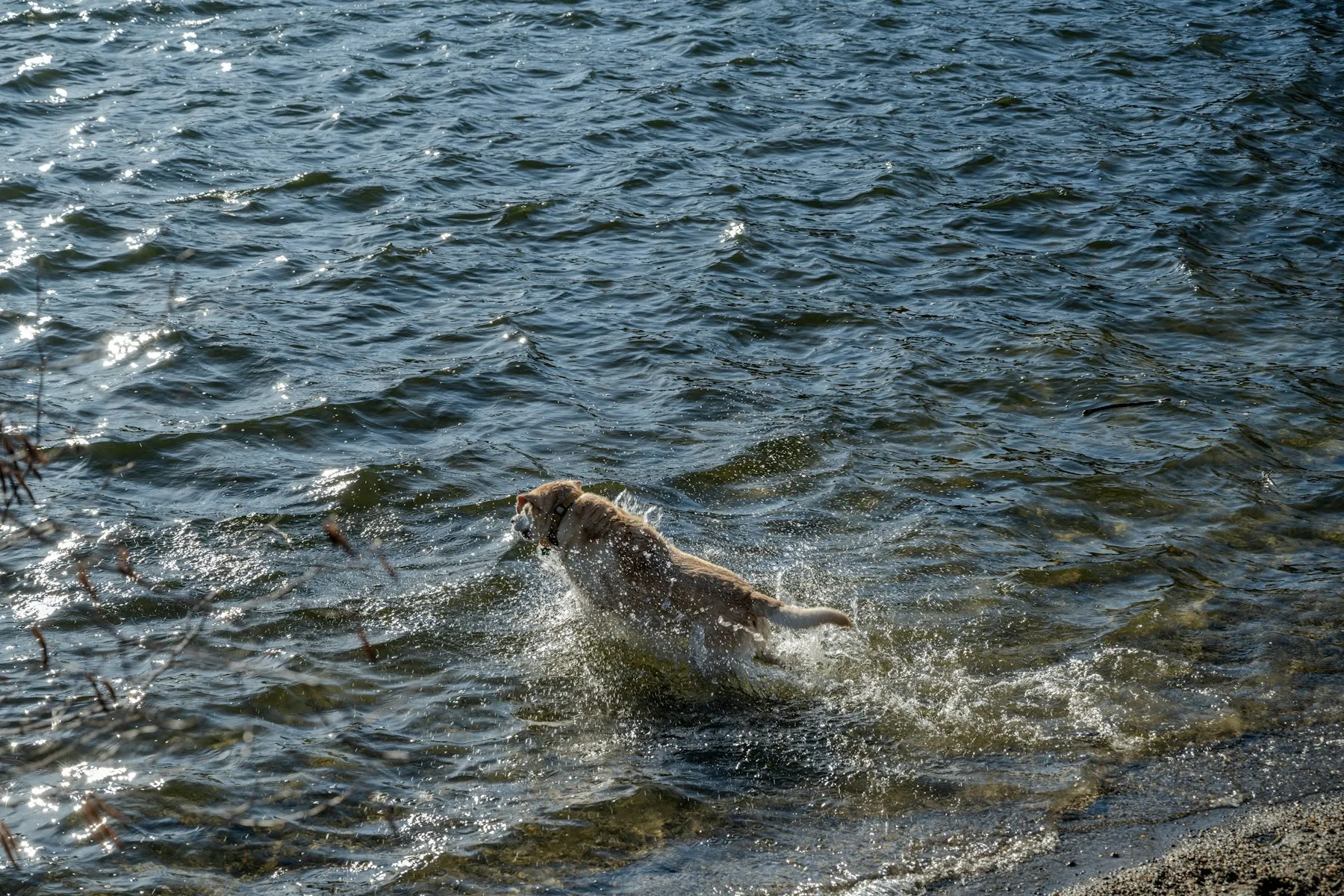
Dogs barely sweat: they cool down by panting and through their paw pads. When it is very hot and humid, as it often is on the Costa del Sol in summer, that system can’t keep up and body temperature can rise very quickly. Heatstroke is a veterinary emergency and can be fatal in a short time.
If you have just moved from a cooler country, remember that your dog needs time to get used to the heat, too.
Dogs most at risk
- Flat-faced breeds (bulldogs, pugs, boxers, shih tzus…): they breathe less efficiently and cool down less well.
- Puppies and older dogs.
- Overweight dogs, or dogs with heart or breathing problems.
- Dogs with very thick or dark coats.
- Any dog after exercise in the heat.
How to recognise it
Early signs:
- Very heavy panting that doesn’t settle in the shade.
- Thick, heavy drooling.
- Bright red gums and tongue.
- Desperately looking for shade or a cool floor.
Serious signs, go to the vet without waiting:
- Staggering, confusion or weakness.
- Vomiting or diarrhoea, sometimes with blood.
- Pale, greyish or bluish gums.
- Seizures or collapse.
What to do on the way to the vet
- Move your dog into the shade or somewhere cool and airy.
- Wet them with cool, not ice-cold, water, especially the belly, armpits, groin and paws. Very cold water constricts blood vessels and slows heat loss.
- Keep air moving: a fan, the car’s air conditioning, or fanning by hand.
- Don’t cover them with wet towels: after a short while they trap the heat.
- Offer small sips of water if your dog is conscious. Never force them to drink.
- Call the vet and go, even if your dog seems to have recovered. Heatstroke can damage internal organs and cause problems hours later. At night, find a 24-hour emergency vet.
How to prevent it
- Walk early in the morning and after sunset. In July and August, avoid roughly 11:00 to 19:00.
- The hand test: place the back of your hand on the pavement for seven seconds. If it’s too hot for you, it will burn your dog’s paws.
- Never leave your dog in the car, not even for a minute, with the window open or in the shade. The temperature inside rises within minutes.
- Fresh water at all times, at home and on walks.
- Real shade on terraces and patios. A kennel in the sun becomes an oven.
- No hard exercise in the heat, including running alongside a bike.
- Think before shaving: don’t shave a double-coated dog to the skin without asking your vet, as the coat also protects against the sun. Regular brushing helps more.
A cooling mat, a paddling pool or ice cubes made with salt-free stock are great extras, but they don’t replace shade and common sense.