
Toxic plants for dogs and cats: the most common in Andalusia
Oleander, sago palms, castor oil plants, lilies and houseplants: which are dangerous for your dog or cat, the symptoms and what to do if they eat one.
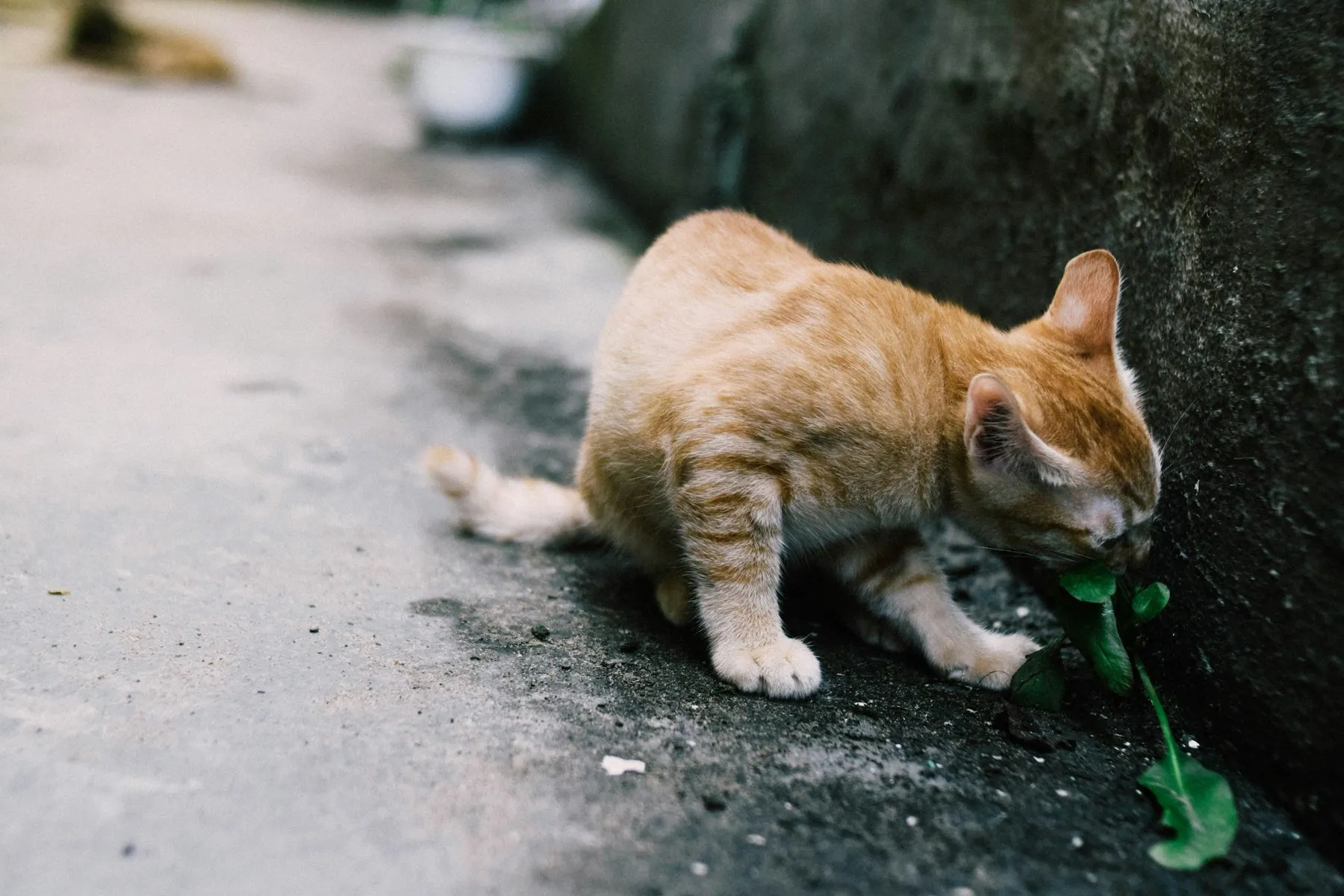
On the Costa del Sol we live surrounded by plants: oleanders along the roads, urbanisation gardens full of sago palms, pots on every terrace. Many are pretty and love the sun… and are toxic to dogs and cats. Your pet doesn’t need to eat a whole plant: chewing a few leaves, licking pollen or drinking water from a vase can be enough.
This guide will help you recognise the most common ones in Andalusia and know what to do if your pet tries them.
The most dangerous ones on the street and in gardens
- Oleander (Nerium oleander), “adelfa” in Spanish. You’ll find it on promenades, roundabouts and gardens all along the coast. The whole plant is toxic, even when dry: it contains substances that affect the heart. It causes vomiting, drooling, diarrhoea, weakness and heart rhythm problems. It’s an emergency.
- Sago palm (Cycas revoluta). Very common in urbanisations and on terraces. The seeds are the most toxic part, but the leaves and roots are too. It can cause liver failure, starting with vomiting and diarrhoea. Call your vet even if your dog seems fine.
- Castor oil plant (Ricinus communis). It grows wild on empty plots, roadsides and riverbeds. Its seeds, which look like speckled beans, contain ricin, a very potent toxin.
- Angel’s trumpet and thorn apple (Brugmansia and Datura). Ornamentals with large hanging flowers, or wild on waste ground. They affect the nervous system: dilated pupils, disorientation, tremors.
- Azaleas. A few leaves can cause vomiting, drooling and, in severe cases, heart problems.
Careful with cats: lilies
For a cat, true lilies (Lilium) and daylilies (Hemerocallis) can cause acute kidney failure. Biting a leaf, licking pollen off their fur or drinking the water from the vase is enough. If you have a cat, the safest choice is not to have them at home at all, not even in bouquets.
Houseplants that cause problems
Most cause milder symptoms, but they’re worth knowing:
- Pothos, dieffenbachia, monstera, peace lily and calla lily. They contain crystals that irritate the mouth: drooling, pawing at the mouth, vomiting.
- Aloe vera. Vomiting and diarrhoea if eaten.
- Poinsettia. Its reputation is worse than it deserves: it usually causes only irritation and a mild upset stomach, but keep it out of reach.
- Daffodil and tulip bulbs. The bulb is the most toxic part: watch out if your dog digs in pots.
- Ivy. Vomiting, diarrhoea and drooling.
Quick summary
| Plant | Where you’ll see it | Risk |
|---|---|---|
| Oleander | Streets, roundabouts, gardens | Very high (heart) |
| Sago palm | Urbanisations, terraces | Very high (liver) |
| Castor oil plant | Empty plots, riverbeds | Very high |
| Lilies | Bouquets, gardens | Very high for cats (kidneys) |
| Angel’s trumpet, thorn apple | Gardens, waste ground | High |
| Azalea | Pots, gardens | High |
| Pothos, dieffenbachia, monstera | Indoors | Moderate (mouth) |
| Aloe vera, ivy, poinsettia | Indoors and outdoors | Mild to moderate |
If your pet has eaten a plant: what to do
- Remove any remains from their mouth and move them away from the plant.
- Take a photo of the plant or bring a piece in a bag: it really helps the vet.
- Call your vet or, at night, a 24h emergency vet. Tell them which plant it is, how much you think they ate and when.
- Don’t make them vomit or give them milk or oil unless the vet tells you to: in some cases it makes things worse.
- Go even if they seem fine. With sago palm, for example, serious symptoms can take time to appear.
How to prevent it
- Identify the plants in your home and on your terrace. If you don’t know one, your phone’s photo app can usually recognise it.
- Choose pet-safe plants, such as areca palm, spider plant, Boston fern, calatheas or Phalaenopsis orchids.
- Hang or raise any doubtful plants and keep an eye on puppies, who chew everything.
- For cats, a pot of catnip or cat grass gives them something safe to nibble.
- On walks, don’t let them eat leaves from flowerbeds, especially near oleanders.
As well as toxic plants, in spring and summer watch out for grass awns (“espigas”): they aren’t poisonous, but they lodge in ears, noses and paws and can cause serious problems.