
Foods dogs can't eat: the list every owner should know
Which foods are toxic to dogs, from classics like chocolate to the summer and Christmas risks in Andalusia, and what to do if your dog eats one.
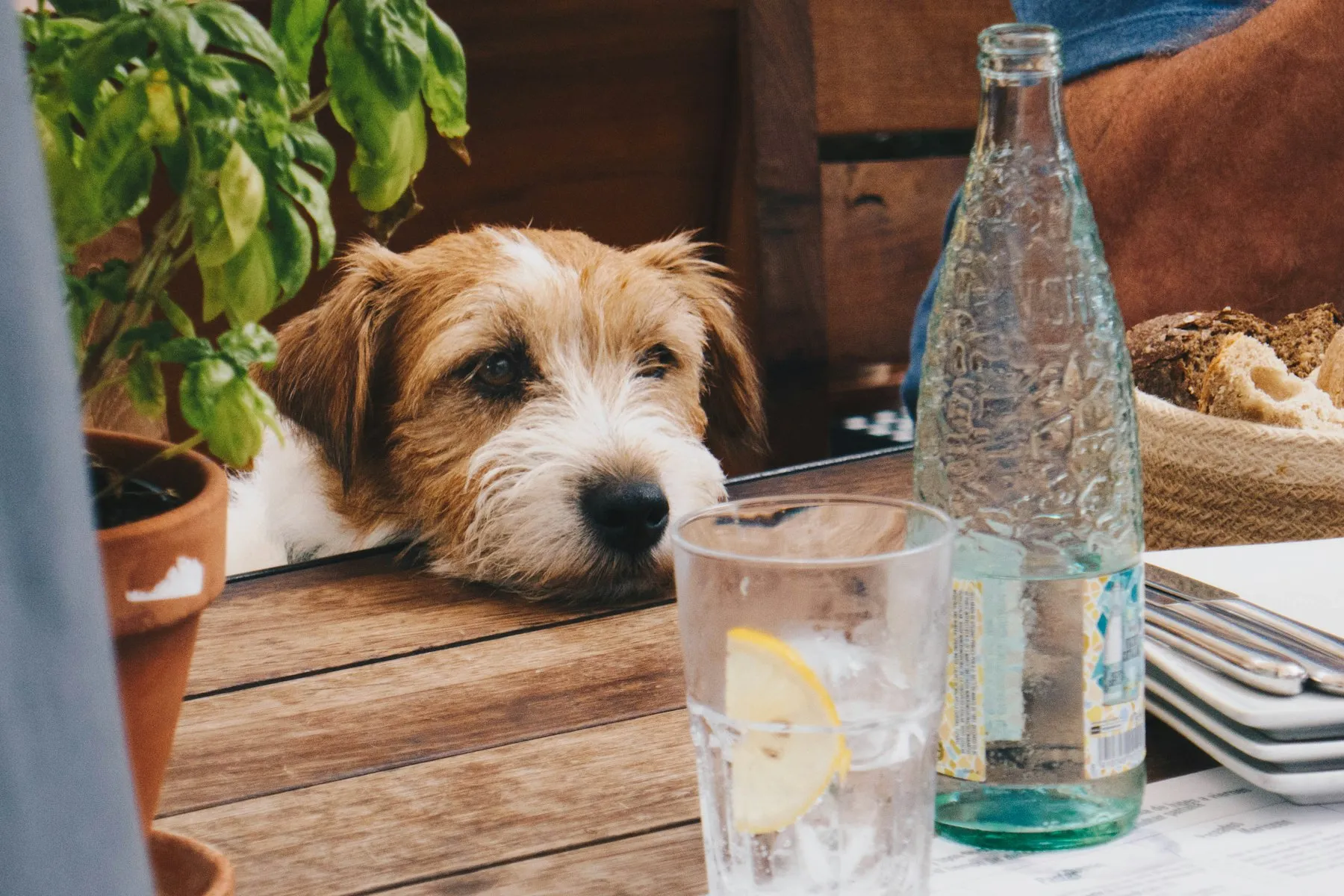
That look while you’re eating is hard to resist, but some everyday human foods can seriously poison a dog. How much is dangerous depends on the dog’s size and the food: if in doubt, call your vet.
The most dangerous
- Chocolate and cocoa. They contain theobromine, which dogs clear very slowly. The darker the chocolate, the more dangerous: dark chocolate and cocoa powder are the worst. It causes vomiting, tremors, a racing heart and, in serious cases, seizures.
- Xylitol. A sweetener found in many chewing gums, sweets, “sugar-free” products and some toothpastes. Even a small amount can make blood sugar crash and damage the liver.
- Grapes and raisins. They can cause kidney failure, and no safe amount is known: some dogs are poisoned by very little.
- Onions, garlic, leeks and chives, raw, cooked or powdered. They damage red blood cells and cause anaemia. Watch out for leftover stews, sauces and stock.
- Macadamia nuts. They cause weakness, tremors and fever.
- Alcohol and raw yeast dough. The dough ferments in the stomach, swells and produces alcohol.
- Coffee, tea and energy drinks, because of the caffeine.
The ones that look harmless
- Cooked bones, especially chicken or rabbit: they splinter and can pierce the gut.
- Fat, fried food and cured meats: they can trigger pancreatitis, which is very painful.
- Too much salt: crisps, salted nuts, cured ham.
- Milk: many adult dogs don’t digest it well and get diarrhoea.
- Fruit with stones or pips, such as peaches or mangoes: the stone can get stuck.
Local risks to know about
- Espetos and fried fish from beach bars: the bones and salt do dogs no good. If you give fish, make it boiled, unsalted and boneless.
- Turrón and polvorones at Christmas: sugar, fat, nuts and sometimes chocolate.
- Summer barbecues: bones, wooden skewers, fat and sauces with onion and garlic.
- Rubbish bags on the beach or in the park: keep an eye on what your dog is sniffing.
If your dog has eaten something it shouldn’t
- Call your vet or an emergency clinic straight away, even if there are no symptoms yet. Some toxins take hours to act.
- Find out what they ate, how much and when. Keep the packaging or photograph the label.
- Don’t make them vomit yourself or try home remedies like salt water or oil: they can make things worse. Inducing vomiting is a decision for the vet.
At night, find a 24-hour vet hospital.
Want to share a treat from your plate? Some options are safe in small amounts: carrot, apple without pips, plain boiled chicken without skin or salt, or seedless watermelon in summer.