
Dental health in dogs and cats: the forgotten part of pet care
Bad breath isn't normal. How to spot mouth problems in your dog or cat, how to brush their teeth and when they need a professional clean.
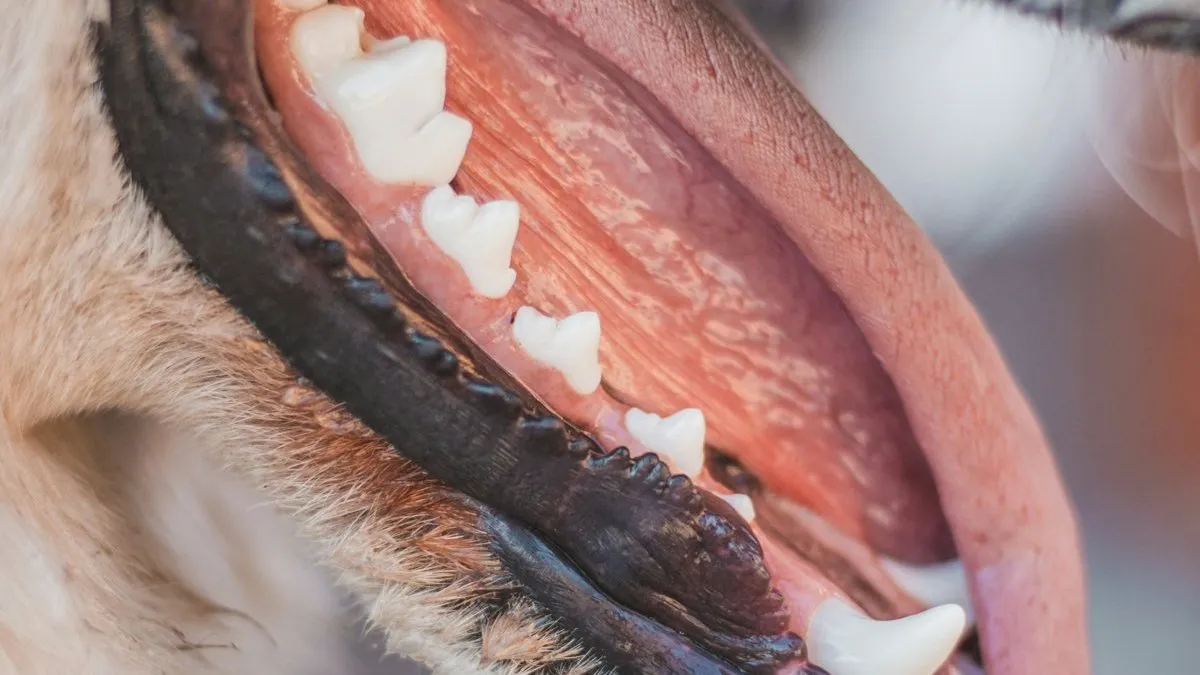
Vaccines, parasite treatments, leishmaniasis… and teeth? The mouth is the most forgotten part of caring for dogs and cats, yet it’s one of the most common health problems. According to the American Veterinary Medical Association (AVMA), most dogs and cats show signs of periodontal disease by the age of three.
The worst part is that it hurts silently: animals are very good at hiding pain and keep eating, so the problem progresses without us noticing.
Why it matters
Plaque hardens into tartar. Bacteria inflame the gums (gingivitis) and, if left untreated, damage the bone and tissues that hold the tooth in place (periodontitis). The result is pain, infection and loose or lost teeth. That constant infection in the mouth has also been linked to problems in other organs.
Warning signs
- Bad breath. Strong “doggie breath” isn’t normal: it’s often the first sign.
- Yellow or brown tartar, especially on the canines and back teeth.
- Red, swollen or bleeding gums.
- Chewing on one side, dropping food or refusing dry food.
- Pawing at the mouth or rubbing the face.
- Drooling more than usual.
- In cats: they’re experts at hiding it. Watch for slower eating or weight loss. Many cats suffer from tooth resorption, a very painful condition that the vet can spot at a check-up.
Who is most at risk
- Small and toy breeds (Chihuahua, Yorkshire terrier, poodle…): their teeth are crowded and build up more tartar.
- Flat-faced breeds (French bulldog, pug, Persian…), because of how their teeth are positioned.
- Dogs that chew stones, bones or antlers: they break teeth easily.
- Older animals.
The routine at home
Brushing is what works best. Ideally every day; if not, at least three times a week.
- Use pet toothpaste, never your own: human toothpaste contains fluoride, and some brands contain xylitol, which is toxic to dogs.
- Start slowly: first let them lick the paste off your finger; then rub their teeth with your finger or a piece of gauze; finally, the brush.
- Focus on the outer surface of the canines and back teeth, where most tartar builds up. A few seconds per side is enough at first.
- Reward them afterwards so they associate it with something good.
Other aids, which complement brushing but don’t replace it:
- Dental treats, food and products with the VOHC (Veterinary Oral Health Council) seal, which shows they’ve been tested to reduce plaque or tartar.
- Suitable chew toys. Try the fingernail test: if pressing with your nail leaves no mark, it’s too hard and could break a tooth.
Dental cleaning at the vet
Ask for a mouth check at every visit, at least once a year. When there’s tartar, a professional clean is done under general anaesthetic: that’s the only way to clean below the gumline, where the problem lies, and to take X-rays of the roots.
“Anaesthesia-free cleanings” only remove visible tartar: the teeth look white, but the disease isn’t treated and it can be stressful for the animal. Veterinary dental organisations don’t recommend them.
If your pet is older and you’re worried about the anaesthetic, talk to your vet: they’ll run tests beforehand and explain the risks. A painful, infected mouth is a risk too.
Don’t have a vet yet? Find one nearby with our vet finder.