
How to adopt a dog or cat from a shelter in Málaga
Where to adopt a dog or cat in Málaga province, how the process works at a Spanish shelter and what to think about before you commit.
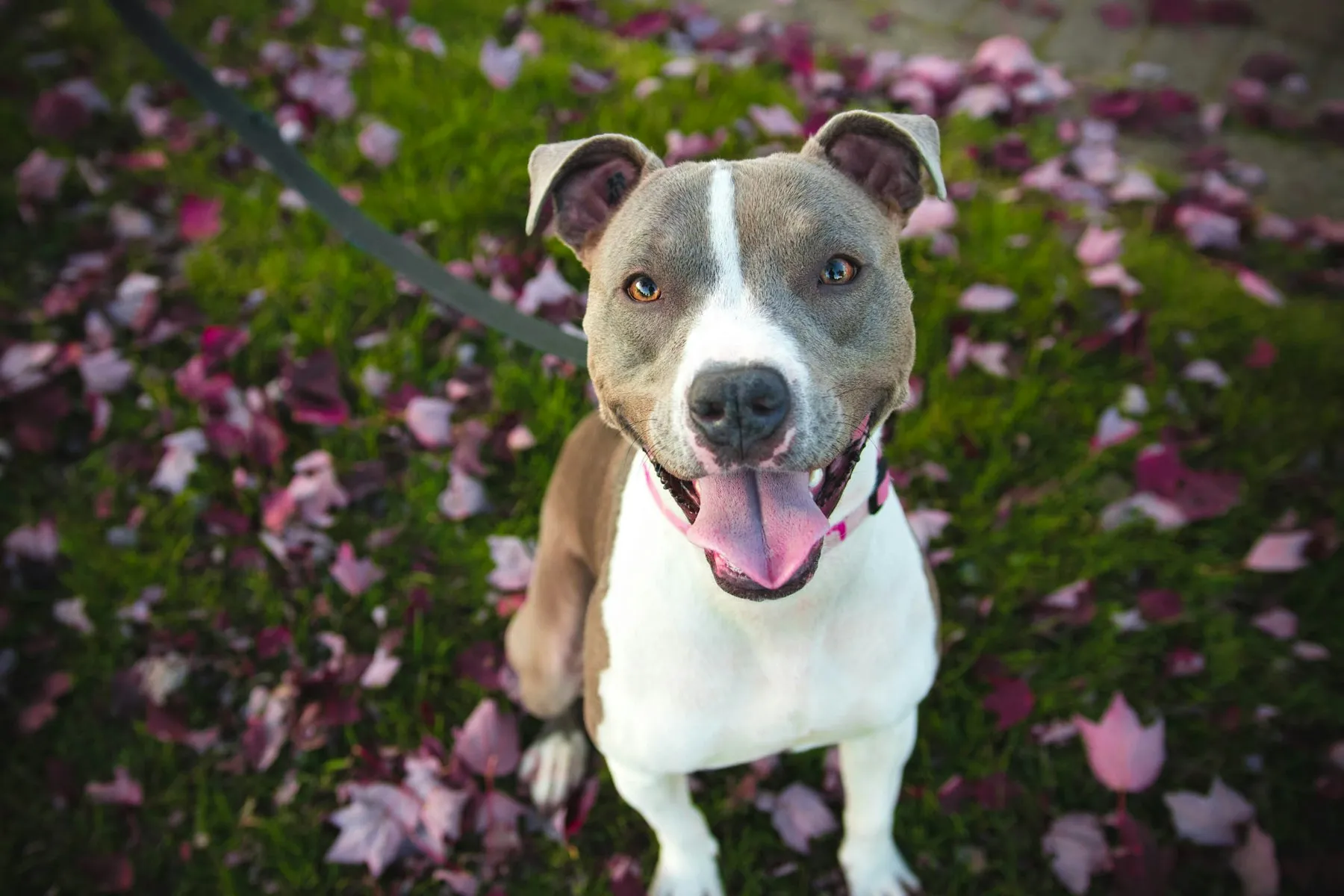
Every year thousands of dogs and cats end up in shelters across Málaga province. Adopting changes one of their lives, and frees up a space so another animal can be rescued.
Many shelters on the coast are run or supported by volunteers from all over Europe, so you can often complete the whole process in English.
First: does it fit your life?
A dog or cat can be with you for more than fifteen years. Before you meet any animals, think it through:
- Time: a dog needs several walks a day, every day. A cat needs company and play.
- Home: does your rental contract allow pets? Is your terrace or garden secure?
- Money: food, vet bills, parasite prevention, insurance… We break it down in the cost of owning a dog in Spain.
- Holidays and trips home: who will look after them?
- Everyone on board, including any animals you already have.
The process, step by step
- Choose a shelter and browse its animals. Most post profiles on their website or social media. Look at personality, not just the photo.
- Get in touch and describe your lifestyle. Staff know each animal and will help you find the right match.
- Questionnaire and interview. Expect plenty of questions: they want the adoption to work for everyone.
- Meet in person. If you already have a dog, many shelters will ask you to bring them along to see how they get on.
- Contract and adoption fee. Animals are usually handed over microchipped, vaccinated, dewormed and, if old enough, neutered. The fee covers part of these costs and each shelter sets its own.
- Transfer to the RAIA, the Andalusian animal identification register. The shelter or your vet will explain how to put the microchip in your name.
- Follow-up. Many shelters will check in during the first weeks. Use it to ask any questions.
Where to adopt in Málaga province
Here are some organisations you can contact. See more on our animal shelters page.
- Málaga city: the Sociedad Protectora de Animales y Plantas de Málaga and the Municipal Animal Protection Centre, which publishes a profile of every animal for adoption online.
- Marbella: Triple A, one of the largest shelters on the coast, with visits by appointment.
- Estepona: ADANA, specialising in dogs.
- Mijas: PAD, Protectora de Animales Domésticos, which also looks for volunteers and foster homes.
- Benalmádena: Asociación Fidelio, run entirely by volunteers.
- Axarquía: El Refugio de Leo, rescuing dogs and cats around Vélez-Málaga.
If you can’t adopt right now
- Foster: care for an animal temporarily until it finds a home. Shelters usually cover the vet costs.
- Volunteer: walking dogs, socialising cats, helping at events or with social media.
- Sponsor or become a member: a small monthly amount helps pay for food and vet care.
Tip: adult and older dogs spend the longest time in shelters. They are often already trained and their personality is well known, so it’s easier to tell whether they’ll fit in with you.
Sources
Details from each organisation’s official website, checked in September 2026.